
A Love Letter to The Stahl House (Case Study House #22)
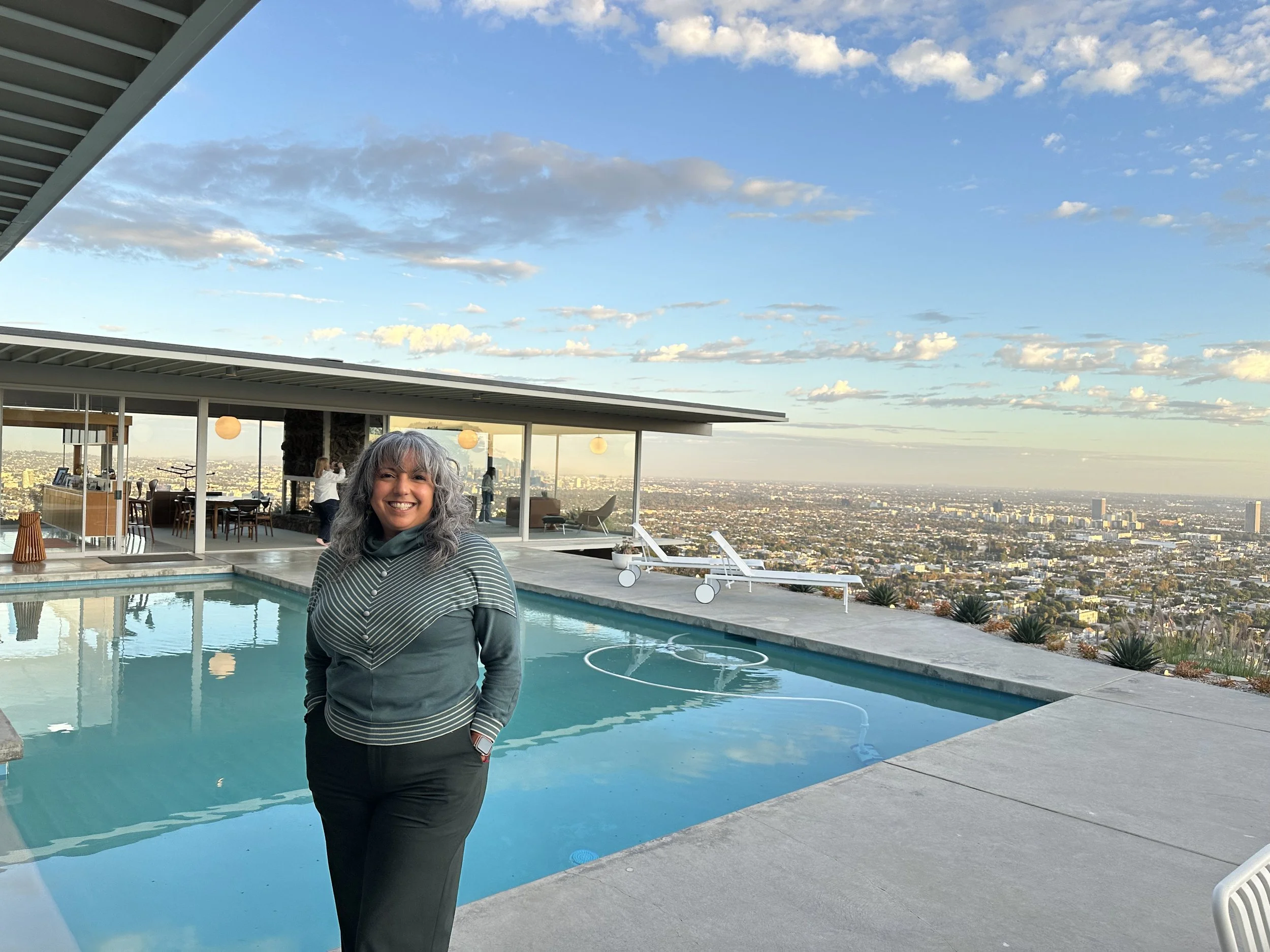
If you're one of those people who has come across a picture of a glass house hovering over the Los Angeles skyline and thinking “How is this even possible?” then that is called The Stahl House. Having recently gone to The Stahl House I can say this place is even more impressive in real life.
The Stahl House was built in 1959 and the architect who designed it-Pierre Koenig. The Stahl House was built as part of the Case Study House Program which was a post war experiment to redesign the living conditions of Americans. Koenig's design was radical for the time.
Walking into this house, it still has a head of its time feel. The walls that seem to be made of nothing and the empty space instantly transports you to the city outside and it gives you the experience that this house was designed to keep the outside world out.
Having had the opportunity to encounter this ICONIC masterpiece was such a treat where the theory and the design turned into an experience I can say was unforgettable. You can tell that the house was made with an experience in mind. You can see and feel the intention behind the dissolving glass corners and the floating roof. You notice how every aspect of the design is just as important as the furniture.
And the view? It’s not just a view-it’s the point. Los Angeles becomes a living, breathing backdrop, changing as the day moves on. From The Stahl House, you don’t just look at the city; you live with it.
The Stahl House's Enduring Appeal
What makes The Stahl House so timeless is that it doesn’t chase trends. It’s confident in what it is. Steel, glass, concrete, and space that is used with purpose.
This confidence is the reason it still is, over 50 years after its completion, one of the most photographed houses in the World, and continues to stand as a pillar of mid-century modernism. It houses a moment when architecture deeply valued the lifestyle, openness, and engagement of the inhabitants and dismissed the idea of excessive adornment.
As Surreal as it Feels, The Stahl House is For Sale
And yes, as surreal as the idea of living in The Stahl House is, it is currently for sale! Owning it is not about the space or the interior details. It is about stewarding an essential architectural artifact. This is more than just a residence; it is a cultural landmark. It is a beautiful intersection of design, art, and Los Angeles's history, all in one.
Why I'll Always Love Mid-Century Modern Design
The Stahl House is a great example of Mid-Century Modern Architecture. It is simple, quiet, and extremely intentional. It is also warm, and because of its great design, it will never be seen as 'aged' or 'outdated'. It will be seen as 'evolved' and contemporary.
The Stahl House is a great example of the fact that great design will always be contemporary.
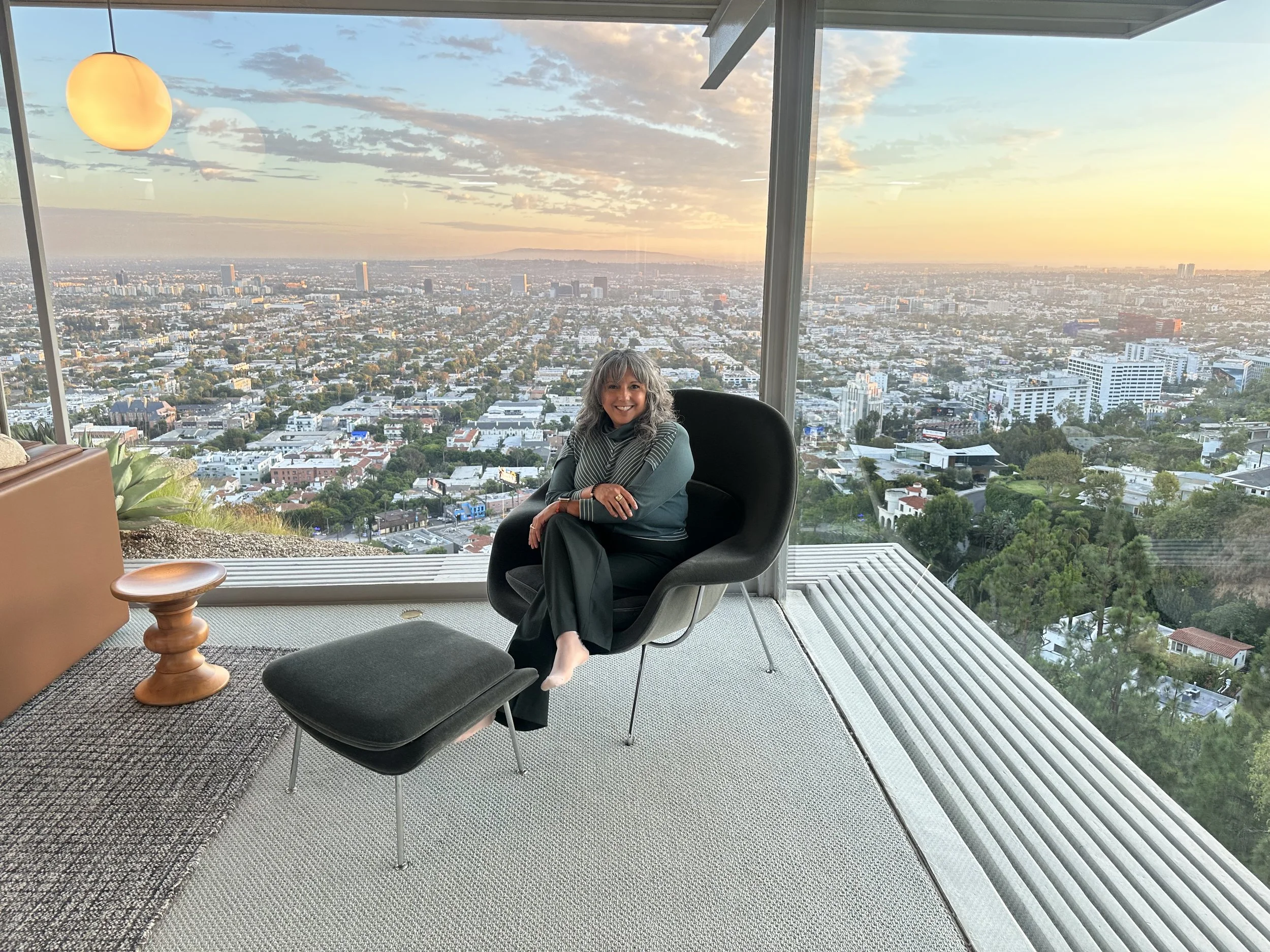
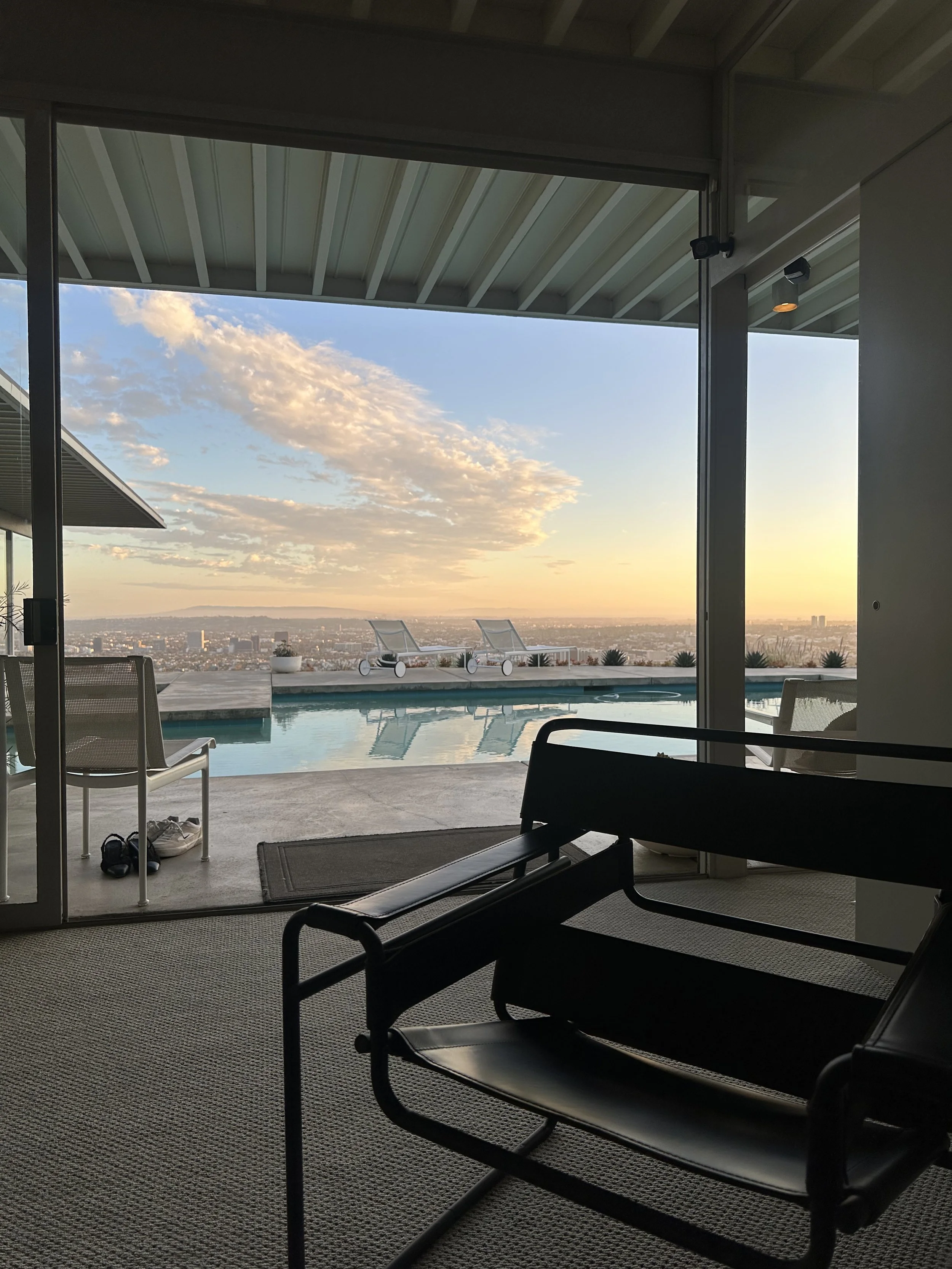
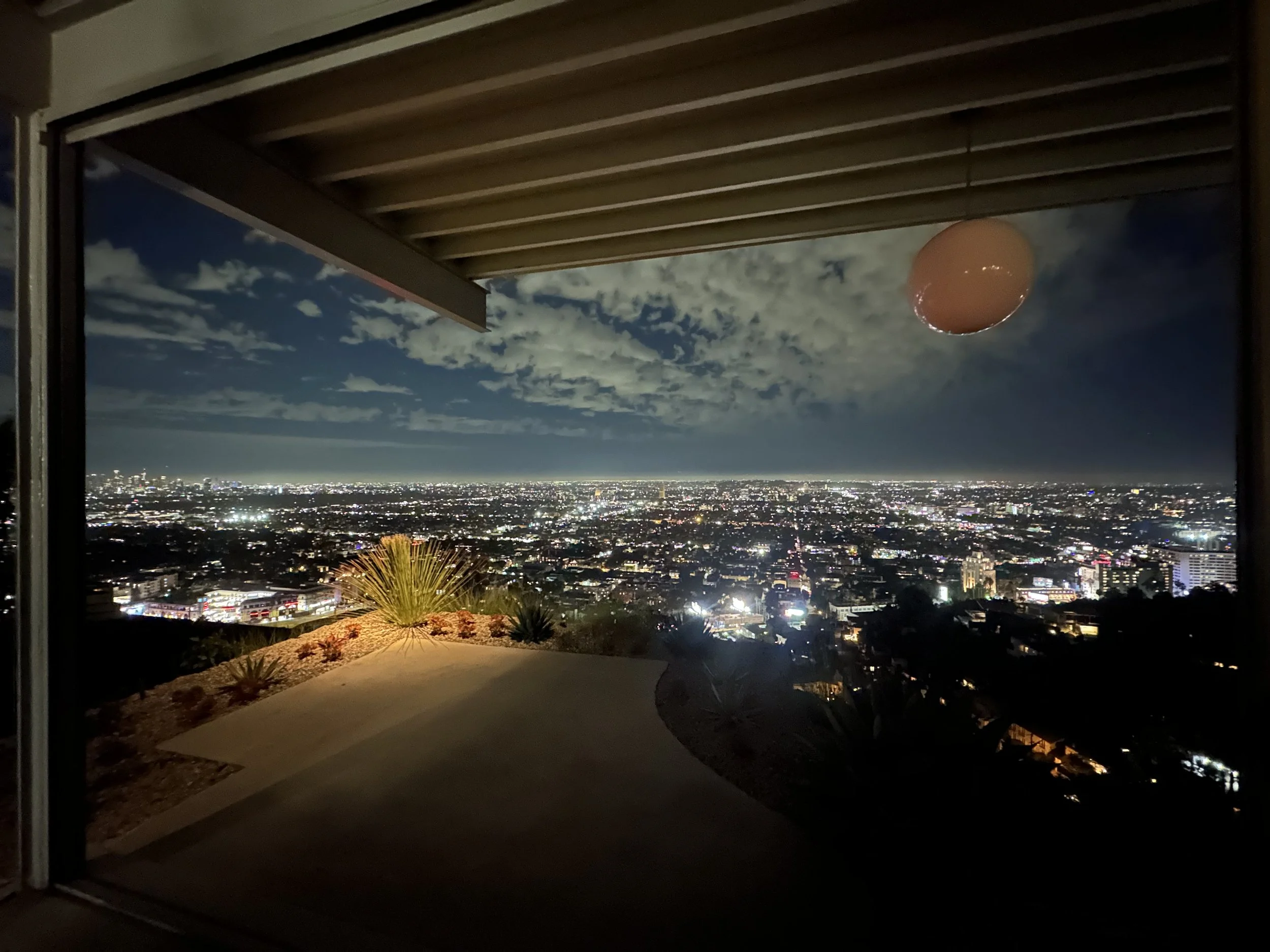
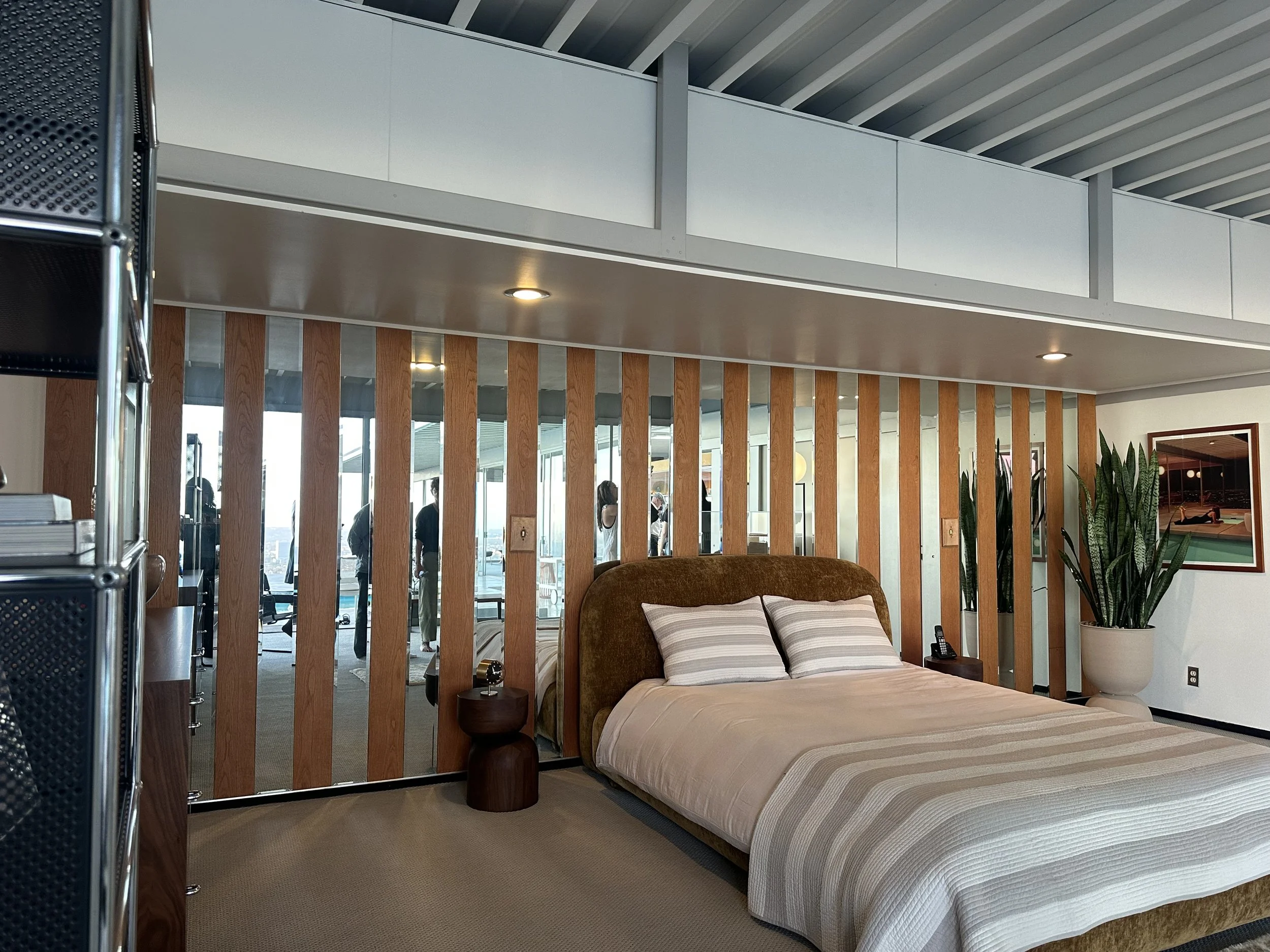
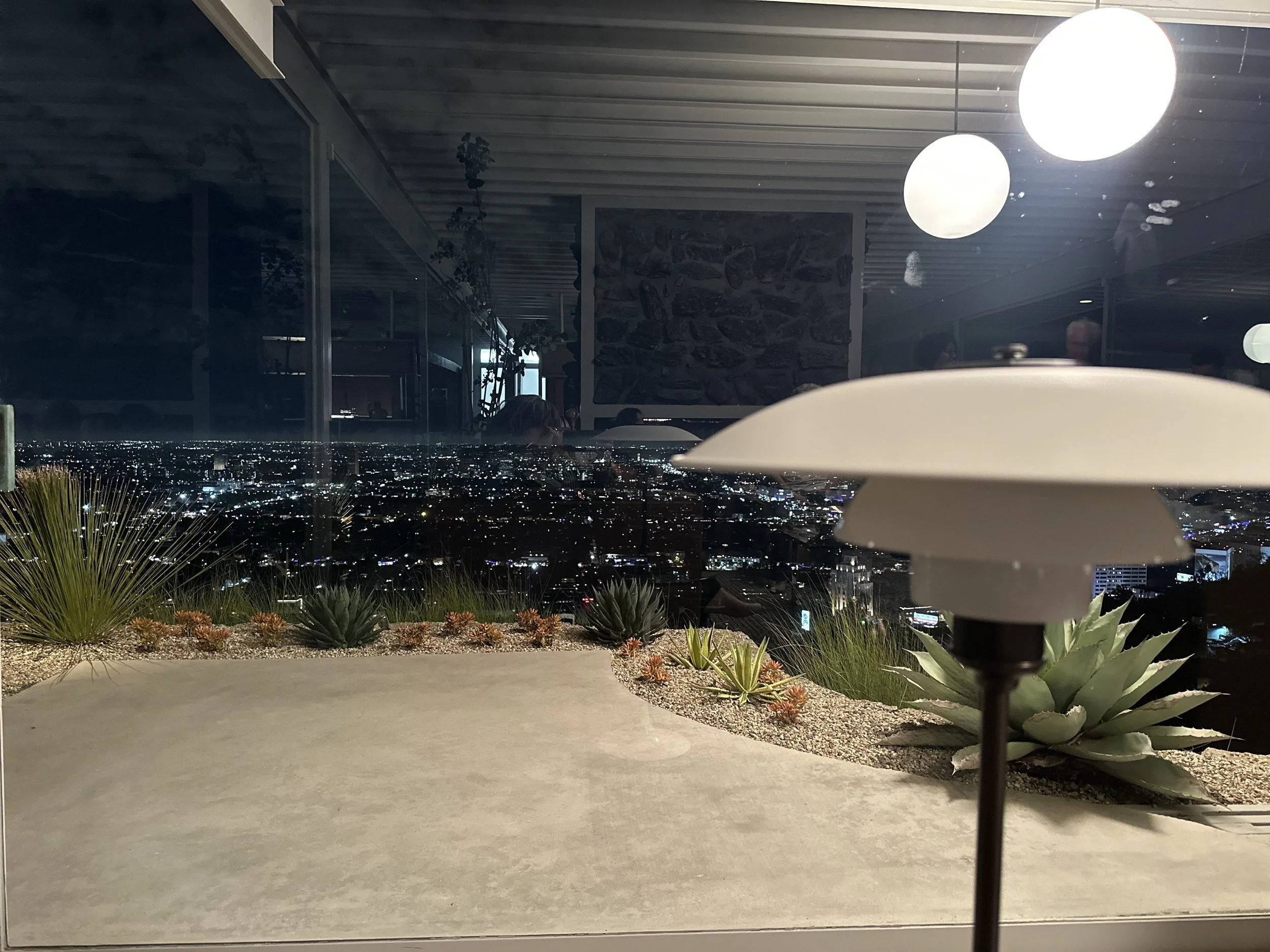
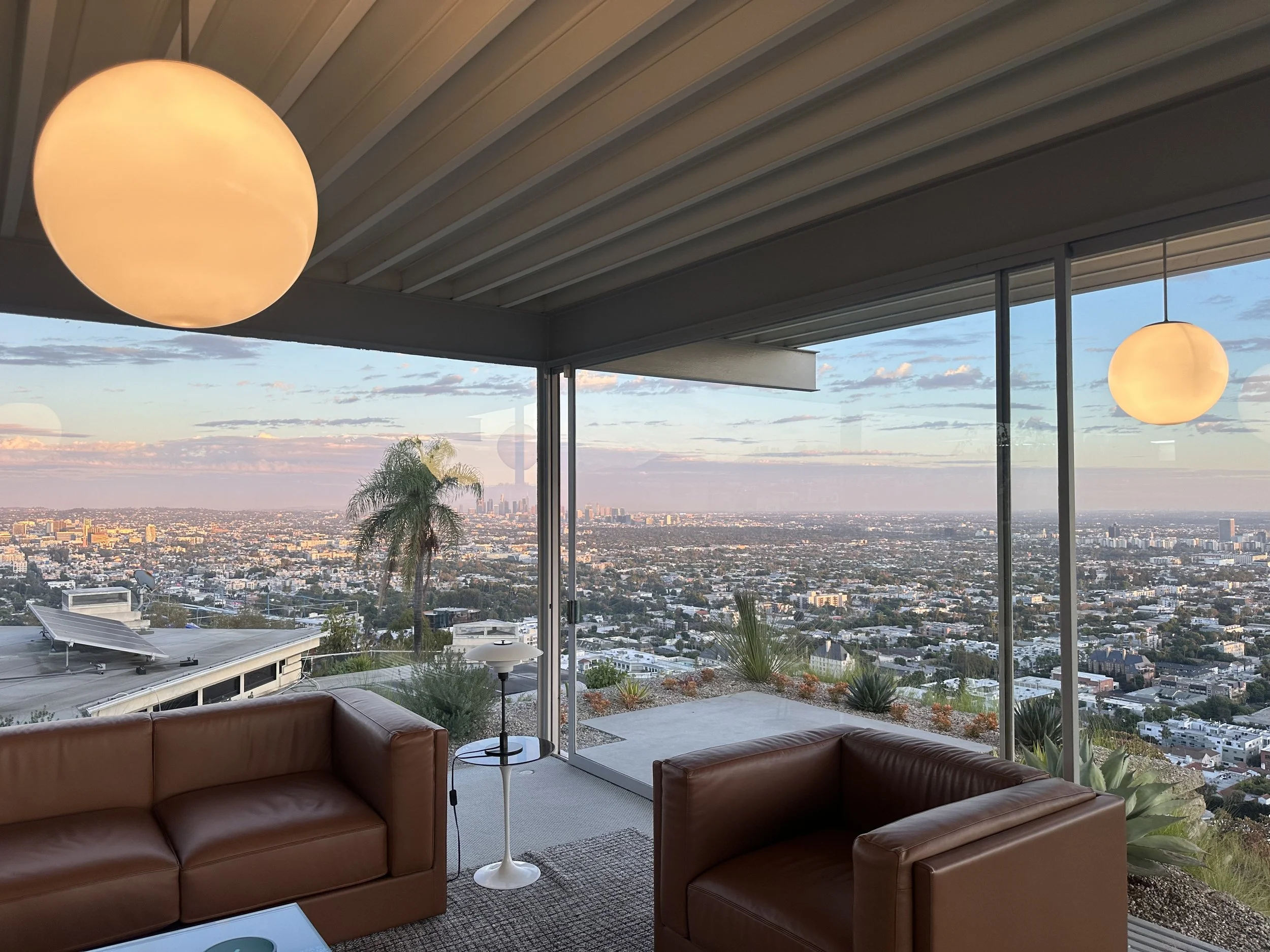
Architecture that is designed and executed this well doesn’t age, it evolves. Great design doesn’t just stand the test of time. It sets the standard. The Stahl House exemplifies great design.
2026 Interior Design Trends: What We’re Leaving Behind & What’s Worth Investing In
A new year always brings a fresh wave of design prophecies. Some are genuinely forward‑thinking. Others are just recycled ideas wearing a new font. As we step into 2026, the design world is quietly and sometimes smugly closing the door on several 2025 trends that had a good run… and opening it to a more elevated, intentional era of interiors.
If you appreciate good design, subtle wit, and investments that age better than last year’s boucle bar stools, this one’s for you.
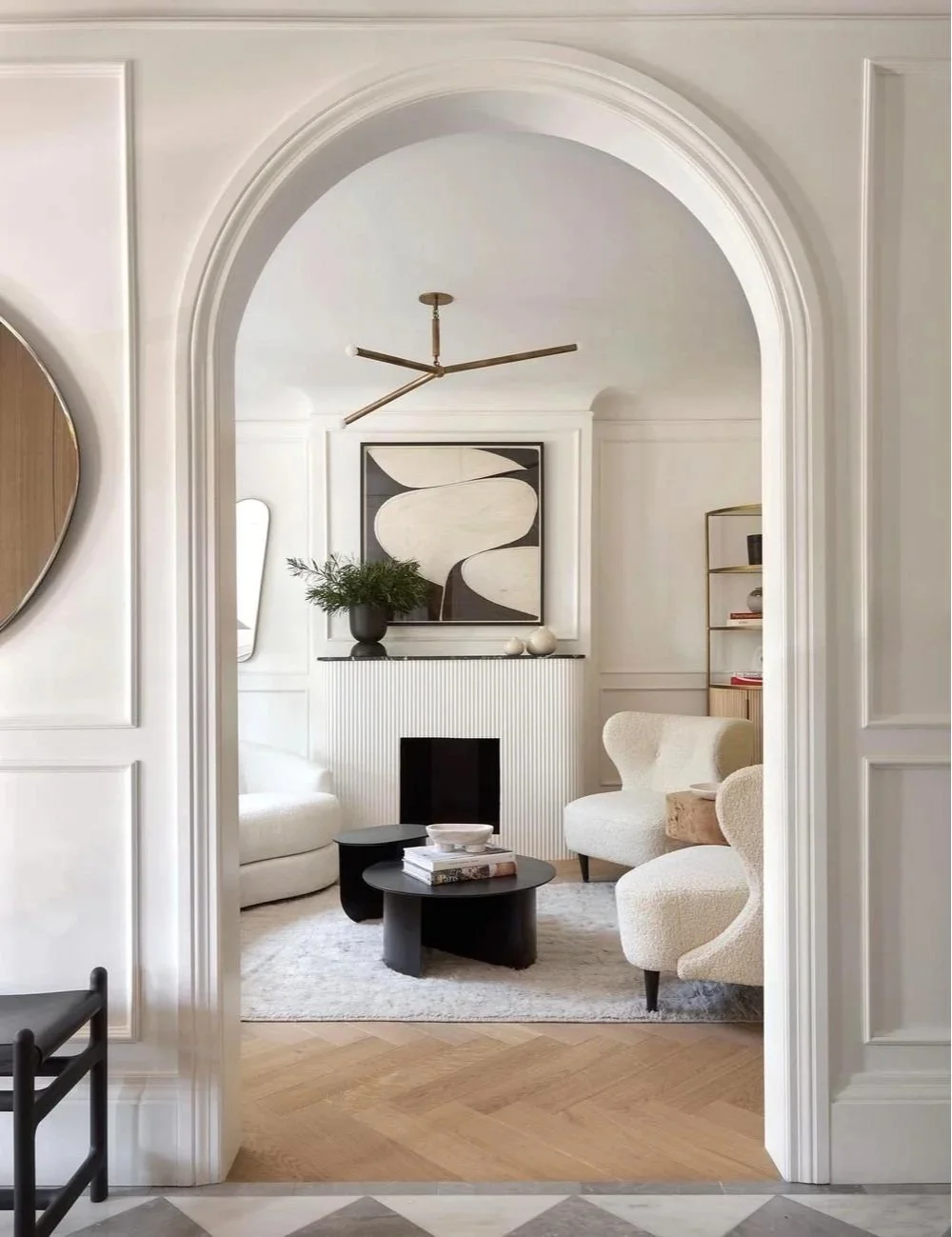
20 Arched Doorway Interior Ideas to elevate your Home (2025, July 22). ownarchitecture. https://www.own-architecture.com/post/20-arched-doorways-interior-ideas-to-elevate-your-home?srsltid=AfmBOornQV-GyXsB46vc7LEdgT5rY1BnQpEDq-4RtJgzFtaRaxFsLKtV
Design Trends Expiring in 2025 (No Funeral Necessary)
Let’s start with what we’re politely escorting out.
1. Overdone Beige-on-Beige Minimalism
Minimalism isn’t dead, it’s just exhausted. The ultra‑neutral, personality free interiors that dominated 2024–2025 are officially losing favor. While calm spaces are still desirable, rooms that look like a luxury hotel lobby (but somehow worse) are no longer aspirational.
Why it’s fading: Affluent homeowners want warmth, individuality, and spaces that feel collected and not staged for a listing photo.
2. Fast Trend Statement Lighting
You know the ones: oversized sculptural pendants that looked exciting on Instagram and deeply impractical in real life. These fixtures aged fast, dominated rooms, and often conflicted with everything else.
Translation: If your light fixture is the only thing doing any work in the room, it’s probably on borrowed time.
3. Micro-Trends Disguised as “Timeless”
Curved everything. Fluted everything. Plaster everything. Beautiful? Yes. Timeless? Let’s not get carried away.
In 2026, the design world is moving away from rooms built entirely around one trendy detail and toward layered spaces where trends are used sparingly and wisely.
4. All Open Everything
The fully open floor plan has officially been questioned. Loudly.
Post‑pandemic living made it clear: privacy, acoustics, and defined spaces matter and especially in luxury homes.
2026 Interior Design Trends to Watch (and Invest In)
Now for the good part.
1. Quiet Luxury, But Make It Personal
Yes, quiet luxury is still here; but in 2026, it’s less about copying European restraint and more about refined self‑expression.
Think:
Custom millwork over showroom cabinetry
Subtle material contrasts (stone + warm metals + aged wood)
Design choices that whisper instead of shout
This isn’t about flexing wealth. It’s about signaling taste.
2. Material Integrity Takes Center Stage
Synthetic pretending to be natural is officially out. 2026 favors honesty in materials:
Real stone with visible variation
Wood that shows grain, knots, and age
Metals that patina instead of staying perfect
Affluent buyers are prioritizing longevity over novelty, and it shows.
3. Elevated Color Returns (Without the Drama)
White walls aren’t gone, but they’re no longer the default.
2026 color trends lean toward:
Muted oxbloods
Deep olives and bronzed greens
Warm mineral blues
Soft clay and umber tones
These shades feel rich, grounded, and most importantly it is livable.
4. Rooms With Purpose (Yes, Even the Small Ones)
In 2026, every square foot needs a reason.
We’re seeing a rise in:
Library-style offices
Dedicated dressing rooms
Cocktail lounges replacing unused formal living rooms
Luxury is no longer about size, it’s about how well a space works.
5. Architectural Details Over Decor
Instead of layering rooms with trendy furniture, homeowners are investing in the bones:
Arched openings
Plaster walls with restraint
Integrated shelving
Thoughtful ceiling treatments
Design that’s built-in ages far better than anything you can swap out next year.
Why This Matters | Especially for Homeowners & Sellers
Design trends aren’t just aesthetic, they’re financial.
Homes that reflect current but restrained design thinking consistently outperform over‑trendy properties. Buyers in 2026 are savvy. They notice craftsmanship. They question shortcuts. And they’re willing to pay more for spaces that feel intentional and timeless.
If you’re renovating, building, or preparing to sell, the smartest move isn’t chasing trends…it’s understanding which ones will age well.
Final Thought
2026 design is confident, layered, and quietly impressive. It doesn’t need to convince you it’s luxurious…it just is.
And if your home still looks like it was styled entirely for a 2025 Instagram carousel? No judgment. But it might be time for an upgrade.
Because good design isn’t loud. It’s just unmistakable.
If you’re curious how these trends translate to real estate value—or how to position a home to stand out in 2026’s luxury market—I’m always happy to talk design with a purpose.
Holiday Curb Appeal: How Seasonal Style Can Help Sell Your Home
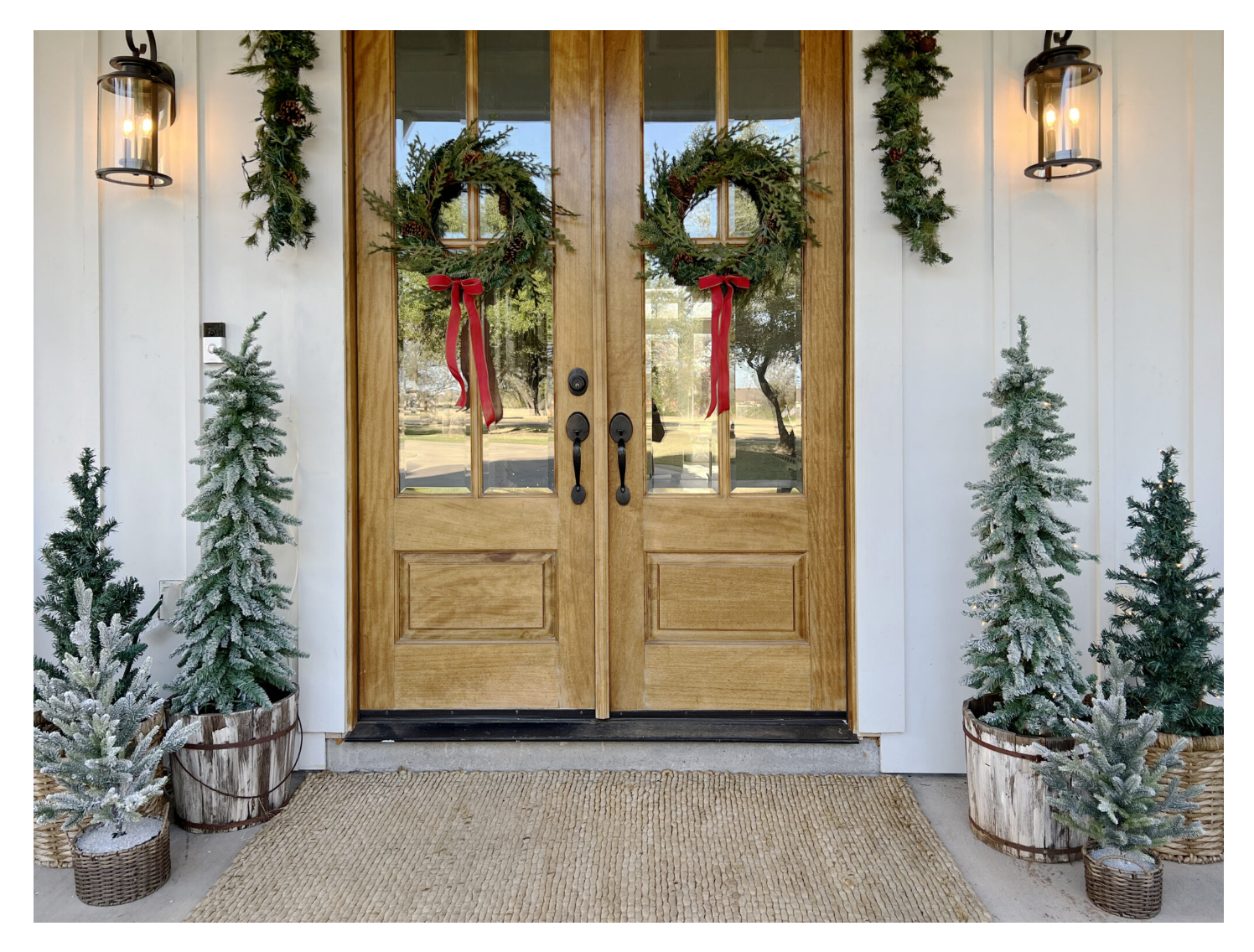
Selling a home in the middle of the holiday season can feel a little counter-intuitive—after all, most people are thinking about travel, gatherings, and gift lists. But in neighborhoods known for character architecture, like the historic Craftsman and Colonial Revival homes in Lincoln Park Pomona and neighboring areas, the holidays are actually one of the most powerful moments to make a property irresistible.
Think about it: buyers are already in an emotional headspace. They’re imagining family, warmth, nostalgia, and a sense of home. When your property reinforces that feeling before someone ever walks through the door, you’ve already won half the battle.
Start with warmth…literally-We all know that first impressions start at the curb, but during the holidays, the emotional tone matters even more. Soft, warm lighting—not a full-blown light show—creates an instant sense of welcome. A string of classic white lights tracing the roofline or a walkway can highlight the architecture rather than distract from it. Buyers often arrive at showings in the late afternoon this time of year. A warm glow against a winter sky can make the home feel like a refuge.
Lean into winter greenery-One of the easiest ways to elevate curb appeal—especially for historic homes—is greenery. A simple wreath, cedar garland on a porch rail, or a planter filled with winter branches feels seasonal without becoming kitschy. If you’re selling a Craftsman bungalow, this approach works beautifully with the wood, brick, and earth tones that Craftsman design is known for. The goal is to complement the home’s materials—not hide them behind inflatable reindeer.
Use holiday style to highlight character-Older homes in Lincoln Park and surrounding historic neighborhoods have charm that buyers don’t find in new construction—deep eaves, tapered porch columns, clinker brick, multi-light windows. The holidays give you a visual excuse to draw attention to them.
For example, ribbon on porch railings guides the eye toward built-in seating. Greenery placed asymmetrically on a porch column draws attention to millwork. A single lantern on a porch step highlights the brick walkway.
None of this is accidental. You’re merchandising the architecture.
Keep it festive, not personal-It’s tempting to go full nostalgia with decor, but when you’re selling, think “seasonal atmosphere,” not “family tradition.” Buyers shouldn’t feel like they’re stepping into someone else’s holiday—they should be stepping into their future one. That means avoiding decorations that reference specific religious holidays, family names, monograms, or large photo displays. Keep it neutral, editorial, and elevated—think Pottery Barn, not attic storage.
The Enduring Beauty of Craftsman, Tudor and Spanish Style Homes in Lincoln Park, Pomona
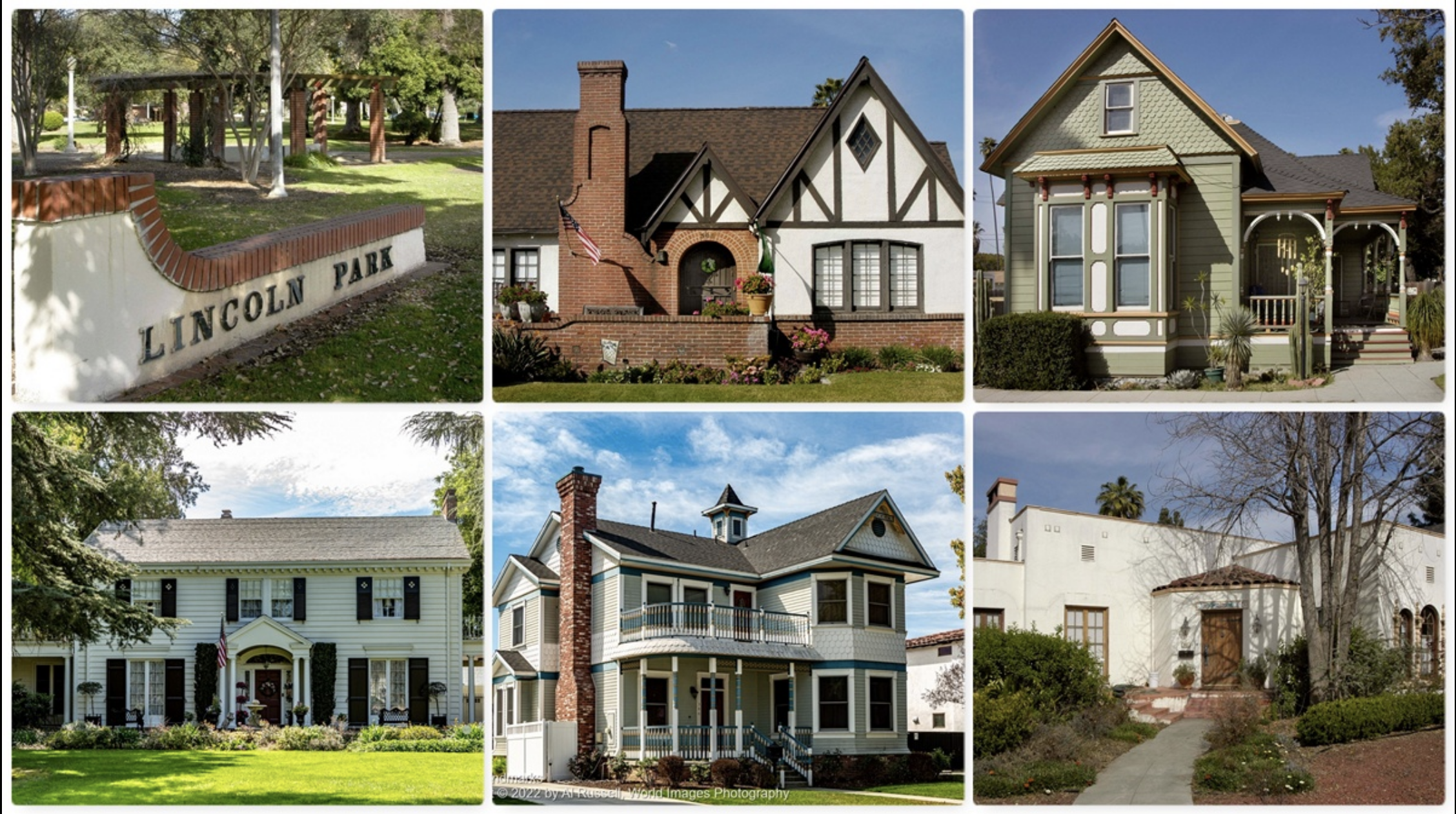
Lincoln Park Architectural homes
The Lincoln Park Historic District in Pomona, California is one of the region’s most architecturally significant neighborhoods — known for its beautifully preserved Craftsman homes, early 20th-century bungalows, and period-revival architecture. For homeowners and designers alike, these houses represent the perfect blend of charm, craftsmanship, and livability.
At Vignette Designs, we’re deeply inspired by the authentic character and design integrity found throughout Lincoln Park. This blog explores the history of Craftsman architecture in Pomona, the design principles that define the style, and how today’s homeowners can preserve and enhance these timeless homes.
A Brief History of Craftsman Homes in Lincoln Park, Pomona
Between the early 1900s and 1930s, Pomona saw a boom in residential development — and the Lincoln Park area quickly became a showcase of the American Craftsman movement. These homes reflected a nationwide shift away from overly ornate Victorian styles and toward simplicity, natural materials, and skilled craftsmanship.
Lincoln Park became especially known for:
Craftsman bungalows (1905–1925)
Airplane bungalows with lifted second-story “cabins”
Large two-story Craftsman homes with deep porches
Craftsman hybrids blending Prairie, Mission, and Colonial Revival influences
Because Pomona was thriving as an agricultural community, many original homeowners were families, teachers, citrus growers, and artisans — all drawn to the practicality and beauty of Craftsman architecture.
Today, Lincoln Park is recognized as one of the best-preserved historic districts in Southern California, making its Craftsman homes highly sought-after.
What Defines a Craftsman Home? Key Architectural Features
Craftsman architecture is beloved for its harmony, warmth, and honesty of materials. In the Lincoln Park neighborhood, homeowners will commonly see:
1. Low-Pitched Rooflines & Deep Eaves
These roofs often feature exposed rafters, decorative brackets, and wide gables that showcase the home’s structure.
2. Deep, Welcoming Front Porches
A signature of California Craftsman homes — perfect for Pomona’s warm climate and the neighborhood’s historically social culture.
3. Tapered Columns on Stone or Brick Piers
These structural porch elements give Craftsman homes their iconic “grounded” appearance.
4. Natural, Honest Materials
Wood, stone, brick, river rock, and handcrafted details emphasize artisanal quality.
5. Multi-Pane Windows
Often with four-over-one or six-over-one configurations, creating charming asymmetry.
These elements work together to give Lincoln Park’s Craftsman homes their unmistakable personality and warm visual appeal.
Inside a Craftsman Home: Historic Design Elements Worth Preserving
Craftsman interiors are known for their architectural richness. If you’re renovating or decorating a Craftsman home in Lincoln Park, these original features are worth protecting:
Warm Wood Trim & Built-Ins
Expect oak, fir, or Douglas fir accents — including:
Built-in bookcases
Window seats
Dining room buffets
Plate rails
Box-beam ceilings
These pieces aren’t just decorative; they’re part of the home’s soul.
Fireplaces as the Heart of the Home
Often made with clinker brick, stone, or tile, Craftsman fireplaces were designed to anchor the living space.
Earth-Driven Color Palettes
Traditionally inspired by nature: moss greens, rust, ochre, clay, and muted neutrals.
Cozy, Human-Scale Floor Plans
Craftsman homes were never meant to feel cavernous. Their layouts prioritize comfort, community, and function.
Why Craftsman Homes in Lincoln Park Remain So Desirable Today
Whether you’re a designer, a homeowner, or a buyer exploring Pomona real estate, Craftsman homes continue to captivate for many reasons:
✔ Architectural authenticity
✔ Easy to update — without losing character
✔ Timeless curb appeal
✔ Located in a true historic district
Lincoln Park’s preservation standards ensure the neighborhood maintains its heritage and charm.
Design Tips: Updating a Lincoln Park Craftsman with Integrity
At Vignette Designs, we specialize in blending modern livability with historic character. Here’s how we approach Craftsman-sensitive design:
1. Preserve Original Woodwork
Instead of painting built-ins or trim, consider restoring or refinishing to enhance authenticity.
2. Choose Materials That Feel Period-Honest
Matte finishes, natural stone, handmade tile, warm metals, and traditional hardware echo the Craftsman spirit.
3. Layer Warm Textures & Natural Fibers
Linen, wool, jute, and textured rugs complement original wood tones beautifully.
4. Honor the Home’s Story While Modernizing the Function
We often open kitchens slightly, improve lighting, or update bathrooms — but always with respect for original details.
5. Use Color Thoughtfully
Earthy greens, muted blues, buttercream neutrals, and rich browns enhance a Craftsman interior's warmth.
The Craftsman Spirit Lives On in Lincoln Park
The Lincoln Park neighborhood of Pomona is more than a historic district — it’s a living museum of California Craftsman architecture, preserved with pride by homeowners who appreciate timeless design.
At Vignette Designs, we feel deeply connected to the beauty, history, and soul of these homes. Whether you’re preserving original features, renovating with authenticity, or moving into one of Lincoln Park’s iconic Craftsman bungalows, thoughtful design transforms these historic spaces into warm, modern, livable homes.
Thinking About Updating a Craftsman Home in Lincoln Park?
We’d love to help you honor its history while creating a space that feels distinctly your own.
Interior design services for historic and Craftsman homes
Space planning, restoration guidance, and period-sensitive styling
Locally based — passionate about Lincoln Park architecture
Let’s design a home that celebrates its past while supporting your modern lifestyle. If you’d like a list of the latest Lincoln Park homes for sale contact US!
Where architecture, design, and storytelling converge
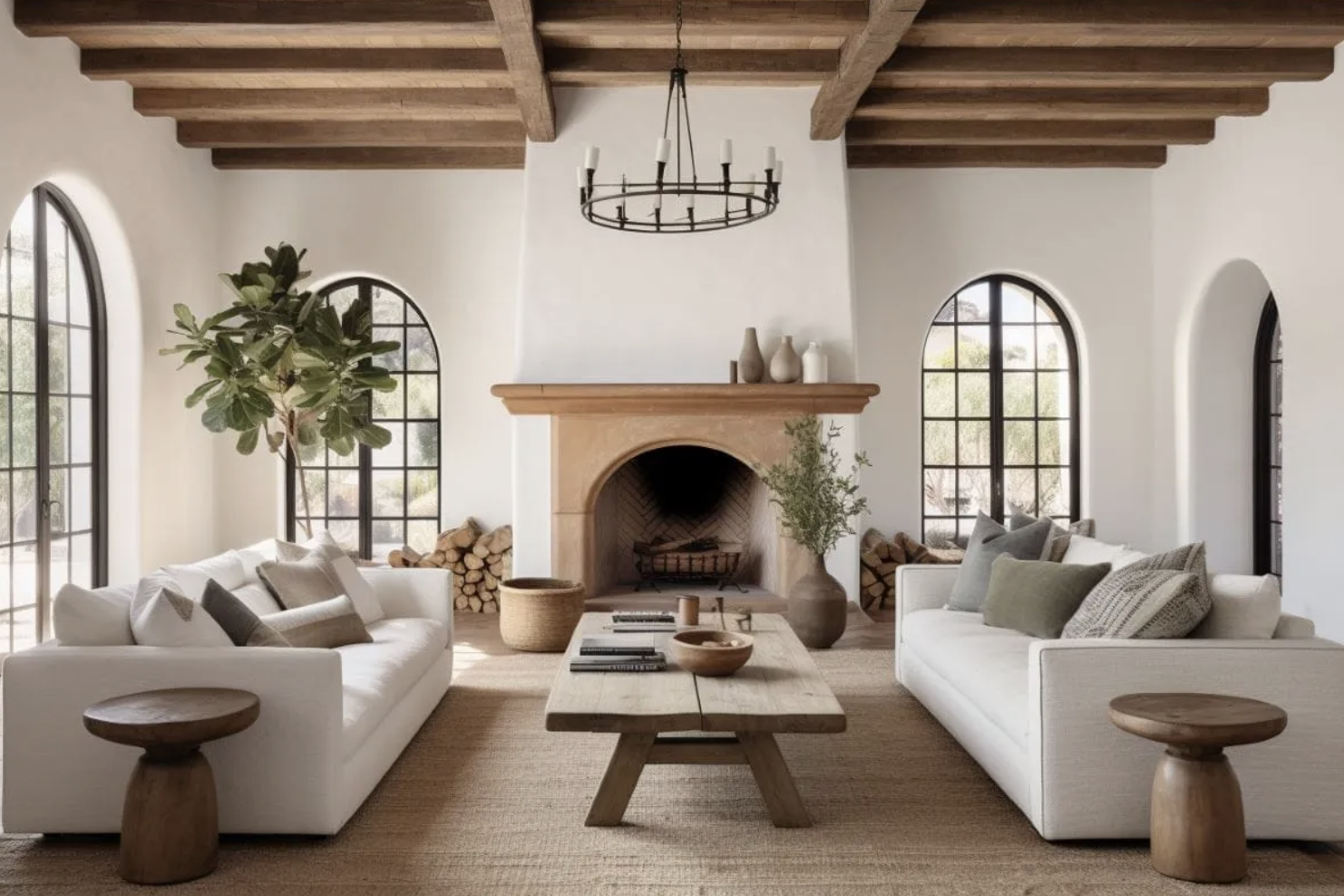
Photo courtesy of Decorilla
2025 Design Trend: Earthy Textured Layers Bringing Soul to Spanish Revival Homes
The style of Spanish Revival houses with their archways, clay tile roofs, and wrought-iron accents, is popular to this day and for good reason! These houses have a style that will always capture an imagination! In 2025, another design approach will be modernized to these homes to be much more earthy and layered. These homes will have a style that will exude Southern California. It'll ground, be warm and full of personality, perfectly complementing the Southern California Spanish Revival homes.
Warm, Earthy Color Palettes
Designers are using rich, natural colors that feel both timeless and welcoming. Picture deep ochres, terracotta, moss greens, and tobacco browns hues that mimic the natural landscape of Southern California. Comfort and authenticity are what these hues provide to the home. (Klapper Group)
Textured Finishes for Depth
Instead of smooth surfaces, we are seeing the use of tactile finishes that create more depth and interest. Features such as lime washed or plastered walls, rough wooden grains, and the use of eclectic materials are gaining popularity. These textures are visual invitations to touch, and highlight the hand-made detail that are classic to Spanish Revival architecture. (Fratantoni Interior Designers)
Layered Metals
Spaces can also be enhanced using mixed metals. Brass, bronze, and cooler silvers can be layered to create a more balanced and sophisticated feel. Whether it is in lighting or decor, these metal accents provide shine and elegance without an overly modern or cold look. (Mawa Designs)
Why It Works for Spanish Revival
Spanish Revival architecture is defined by smooth, stucco walls, wrought-iron details, and clay- tiled roofs. the addition of earth-toned textures and clay materials deepens these features to enrich the spaces. Spanish Revival is characterized by rich earth tones and layered materials to give depth to the rooms.
Instead of looking flat and sterile, the interior spaces now also include the warmth and organic nature of the style.
Design Tips for Your Home
Terracotta Accent Walls: A bold terracotta wall can anchor a room and integrate beautifully with the natural roof tiles.
Ribbed and Fluted Textures: Fluted wood, glass or ceramic can capture the ribs of the arches and the curves found throughout the Spanish Revival homes.
Curvy/ Arched Furniture and Mirrors: Collaborate with the home’s architecture and add mirrors or furniture that feature soft curves and gentle arches to highlight the home’s original character. (Salt + Pine Home)
Today’s buyers want homes that feel grounded, intimate and timeless. Layering earthy textures grounds and add intimate spaces that feel stylish and inviting. This is one of the many elements that allow Spanish Revival homes to feel modern while maintaining the timeless heritage.