
2026 Interior Design Trends: What We’re Leaving Behind & What’s Worth Investing In
A new year always brings a fresh wave of design prophecies. Some are genuinely forward‑thinking. Others are just recycled ideas wearing a new font. As we step into 2026, the design world is quietly and sometimes smugly closing the door on several 2025 trends that had a good run… and opening it to a more elevated, intentional era of interiors.
If you appreciate good design, subtle wit, and investments that age better than last year’s boucle bar stools, this one’s for you.
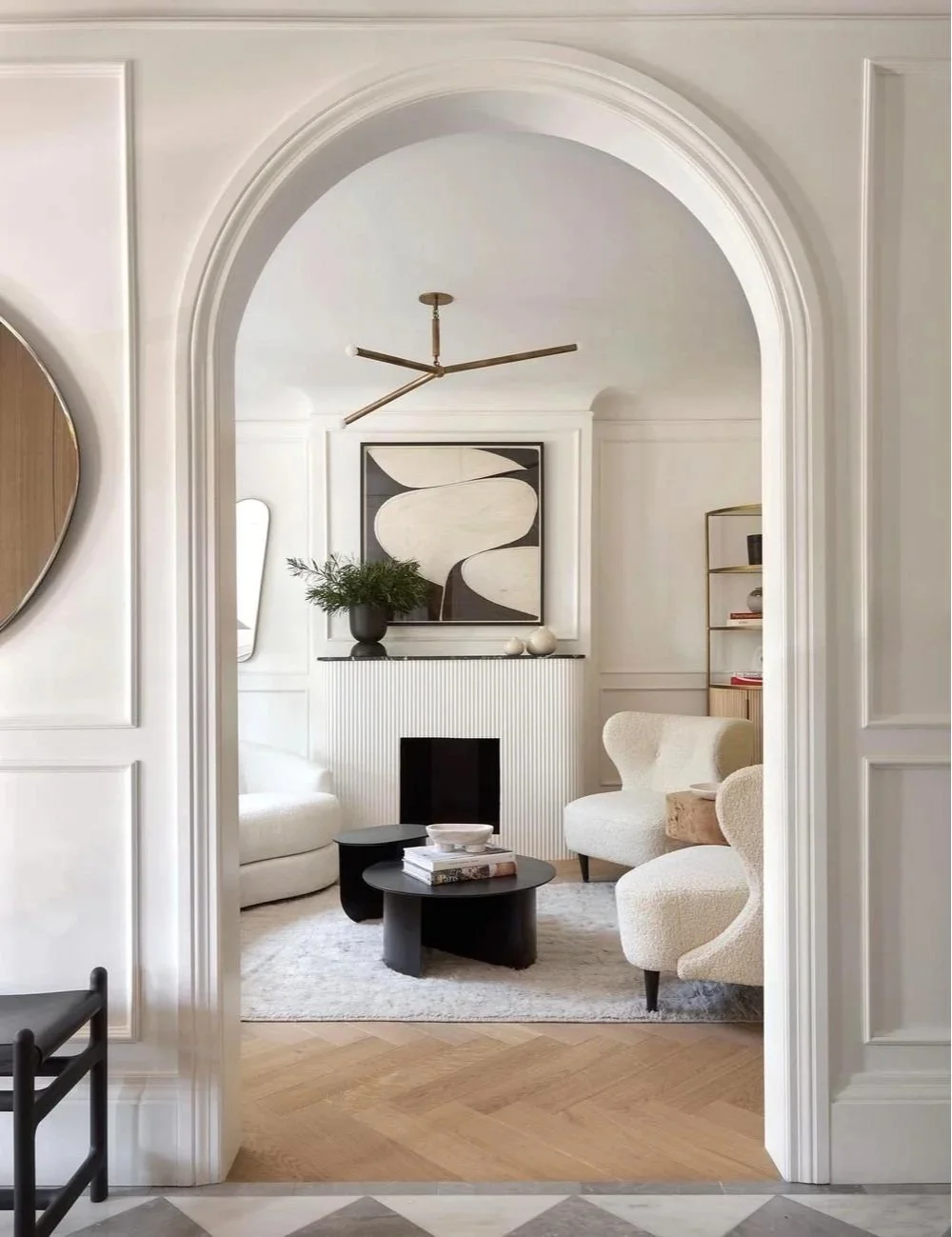
20 Arched Doorway Interior Ideas to elevate your Home (2025, July 22). ownarchitecture. https://www.own-architecture.com/post/20-arched-doorways-interior-ideas-to-elevate-your-home?srsltid=AfmBOornQV-GyXsB46vc7LEdgT5rY1BnQpEDq-4RtJgzFtaRaxFsLKtV
Design Trends Expiring in 2025 (No Funeral Necessary)
Let’s start with what we’re politely escorting out.
1. Overdone Beige-on-Beige Minimalism
Minimalism isn’t dead, it’s just exhausted. The ultra‑neutral, personality free interiors that dominated 2024–2025 are officially losing favor. While calm spaces are still desirable, rooms that look like a luxury hotel lobby (but somehow worse) are no longer aspirational.
Why it’s fading: Affluent homeowners want warmth, individuality, and spaces that feel collected and not staged for a listing photo.
2. Fast Trend Statement Lighting
You know the ones: oversized sculptural pendants that looked exciting on Instagram and deeply impractical in real life. These fixtures aged fast, dominated rooms, and often conflicted with everything else.
Translation: If your light fixture is the only thing doing any work in the room, it’s probably on borrowed time.
3. Micro-Trends Disguised as “Timeless”
Curved everything. Fluted everything. Plaster everything. Beautiful? Yes. Timeless? Let’s not get carried away.
In 2026, the design world is moving away from rooms built entirely around one trendy detail and toward layered spaces where trends are used sparingly and wisely.
4. All Open Everything
The fully open floor plan has officially been questioned. Loudly.
Post‑pandemic living made it clear: privacy, acoustics, and defined spaces matter and especially in luxury homes.
2026 Interior Design Trends to Watch (and Invest In)
Now for the good part.
1. Quiet Luxury, But Make It Personal
Yes, quiet luxury is still here; but in 2026, it’s less about copying European restraint and more about refined self‑expression.
Think:
Custom millwork over showroom cabinetry
Subtle material contrasts (stone + warm metals + aged wood)
Design choices that whisper instead of shout
This isn’t about flexing wealth. It’s about signaling taste.
2. Material Integrity Takes Center Stage
Synthetic pretending to be natural is officially out. 2026 favors honesty in materials:
Real stone with visible variation
Wood that shows grain, knots, and age
Metals that patina instead of staying perfect
Affluent buyers are prioritizing longevity over novelty, and it shows.
3. Elevated Color Returns (Without the Drama)
White walls aren’t gone, but they’re no longer the default.
2026 color trends lean toward:
Muted oxbloods
Deep olives and bronzed greens
Warm mineral blues
Soft clay and umber tones
These shades feel rich, grounded, and most importantly it is livable.
4. Rooms With Purpose (Yes, Even the Small Ones)
In 2026, every square foot needs a reason.
We’re seeing a rise in:
Library-style offices
Dedicated dressing rooms
Cocktail lounges replacing unused formal living rooms
Luxury is no longer about size, it’s about how well a space works.
5. Architectural Details Over Decor
Instead of layering rooms with trendy furniture, homeowners are investing in the bones:
Arched openings
Plaster walls with restraint
Integrated shelving
Thoughtful ceiling treatments
Design that’s built-in ages far better than anything you can swap out next year.
Why This Matters | Especially for Homeowners & Sellers
Design trends aren’t just aesthetic, they’re financial.
Homes that reflect current but restrained design thinking consistently outperform over‑trendy properties. Buyers in 2026 are savvy. They notice craftsmanship. They question shortcuts. And they’re willing to pay more for spaces that feel intentional and timeless.
If you’re renovating, building, or preparing to sell, the smartest move isn’t chasing trends…it’s understanding which ones will age well.
Final Thought
2026 design is confident, layered, and quietly impressive. It doesn’t need to convince you it’s luxurious…it just is.
And if your home still looks like it was styled entirely for a 2025 Instagram carousel? No judgment. But it might be time for an upgrade.
Because good design isn’t loud. It’s just unmistakable.
If you’re curious how these trends translate to real estate value—or how to position a home to stand out in 2026’s luxury market—I’m always happy to talk design with a purpose.