
Holiday Curb Appeal: How Seasonal Style Can Help Sell Your Home
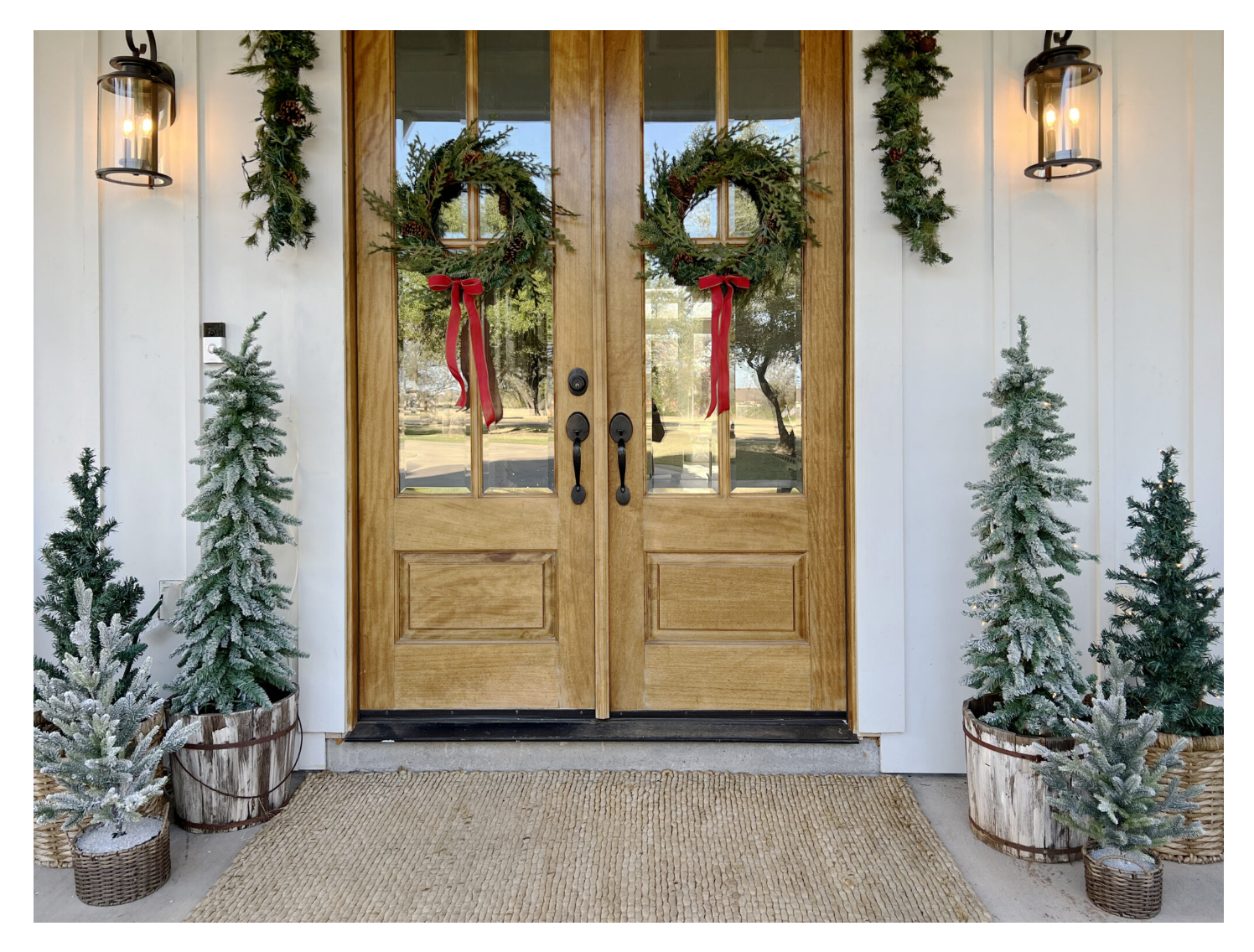
Selling a home in the middle of the holiday season can feel a little counter-intuitive—after all, most people are thinking about travel, gatherings, and gift lists. But in neighborhoods known for character architecture, like the historic Craftsman and Colonial Revival homes in Lincoln Park Pomona and neighboring areas, the holidays are actually one of the most powerful moments to make a property irresistible.
Think about it: buyers are already in an emotional headspace. They’re imagining family, warmth, nostalgia, and a sense of home. When your property reinforces that feeling before someone ever walks through the door, you’ve already won half the battle.
Start with warmth…literally-We all know that first impressions start at the curb, but during the holidays, the emotional tone matters even more. Soft, warm lighting—not a full-blown light show—creates an instant sense of welcome. A string of classic white lights tracing the roofline or a walkway can highlight the architecture rather than distract from it. Buyers often arrive at showings in the late afternoon this time of year. A warm glow against a winter sky can make the home feel like a refuge.
Lean into winter greenery-One of the easiest ways to elevate curb appeal—especially for historic homes—is greenery. A simple wreath, cedar garland on a porch rail, or a planter filled with winter branches feels seasonal without becoming kitschy. If you’re selling a Craftsman bungalow, this approach works beautifully with the wood, brick, and earth tones that Craftsman design is known for. The goal is to complement the home’s materials—not hide them behind inflatable reindeer.
Use holiday style to highlight character-Older homes in Lincoln Park and surrounding historic neighborhoods have charm that buyers don’t find in new construction—deep eaves, tapered porch columns, clinker brick, multi-light windows. The holidays give you a visual excuse to draw attention to them.
For example, ribbon on porch railings guides the eye toward built-in seating. Greenery placed asymmetrically on a porch column draws attention to millwork. A single lantern on a porch step highlights the brick walkway.
None of this is accidental. You’re merchandising the architecture.